Frequently Asked Questions
Security Topics in Secrets Management and Cloud Environments
What are static, rotated, and dynamic secrets, and why do they matter for security?
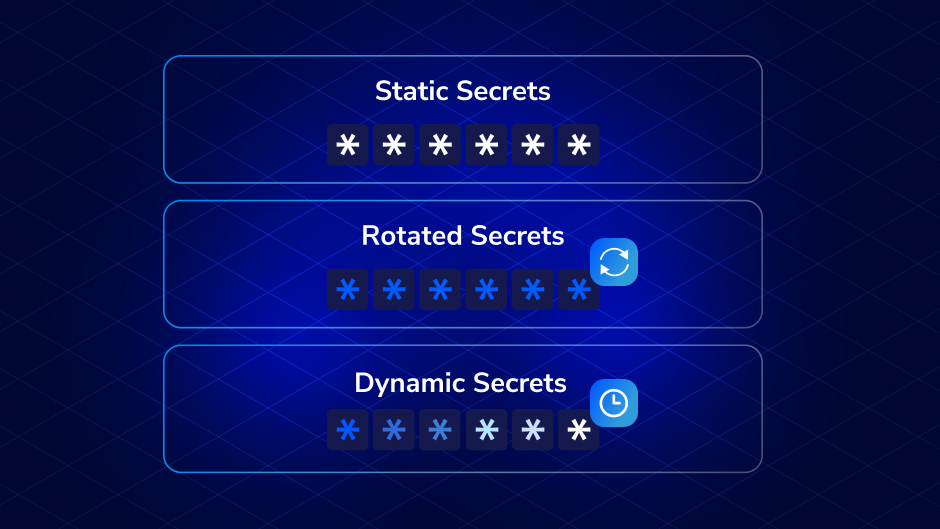
Static secrets are credentials or keys that remain unchanged until manually updated, making them vulnerable if exposed. Rotated secrets are updated on a regular schedule or after use, reducing the risk window if a secret is compromised. Dynamic secrets are generated on-demand and are valid only for a short period or a single session, minimizing exposure. Using rotated and dynamic secrets is considered a best practice to reduce the risk of data breaches, as static secrets are often cited as a leading cause of security incidents. (Source: Security Archives, Akeyless Resources)
What is the Secret Zero Problem and how can it be addressed?
The Secret Zero Problem refers to the challenge of securely authenticating to a secrets management system without having to store an initial access credential (the "first secret") somewhere insecure. Solutions like Universal Identity allow for lightweight authentication that does not require hardcoded secrets, reducing the risk of credential exposure and simplifying credential rotation. (Source: Security Archives, Akeyless Resources; Akeyless Knowledge Base)
How do supply chain attacks threaten cloud security?
Supply chain attacks target less secure elements in the software or service delivery chain, such as third-party code repositories or networks. Attackers compromise these elements to embed malware, which can then infiltrate organizations using the affected software. High-profile incidents like the SolarWinds breach have demonstrated the widespread impact of such attacks, affecting governments and enterprises globally. (Source: Security Archives, Akeyless Resources)
What is Just-in-Time (JIT) Secrets Management and how does it improve privileged access security?
Just-in-Time (JIT) Secrets Management is a method where privileged credentials or secrets are created and granted only when needed, for a limited time, and then revoked. This reduces the risk of standing privileges, which can be exploited if accounts are compromised. JIT Secrets Management is considered a game-changer for securing privileged access in dynamic cloud environments. (Source: Security Archives, Akeyless Resources)
How can organizations secure Kubernetes secrets beyond the default capabilities?
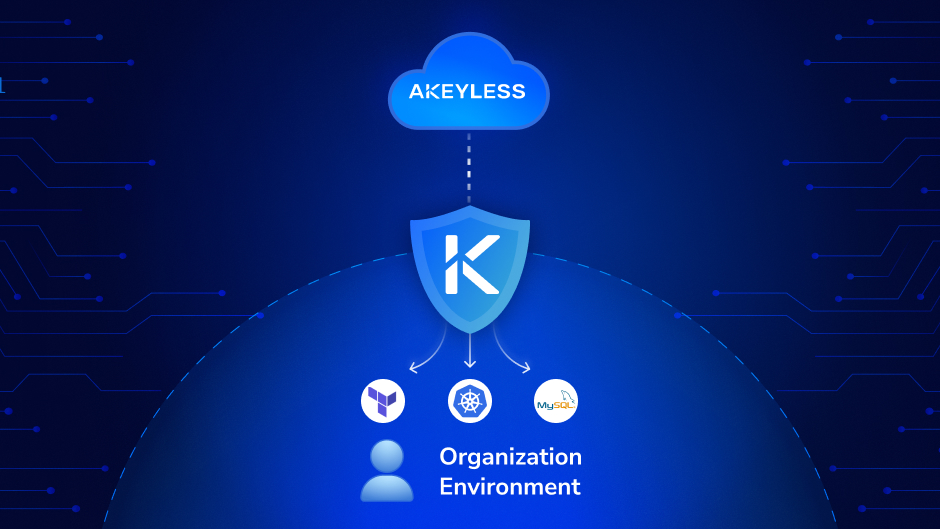
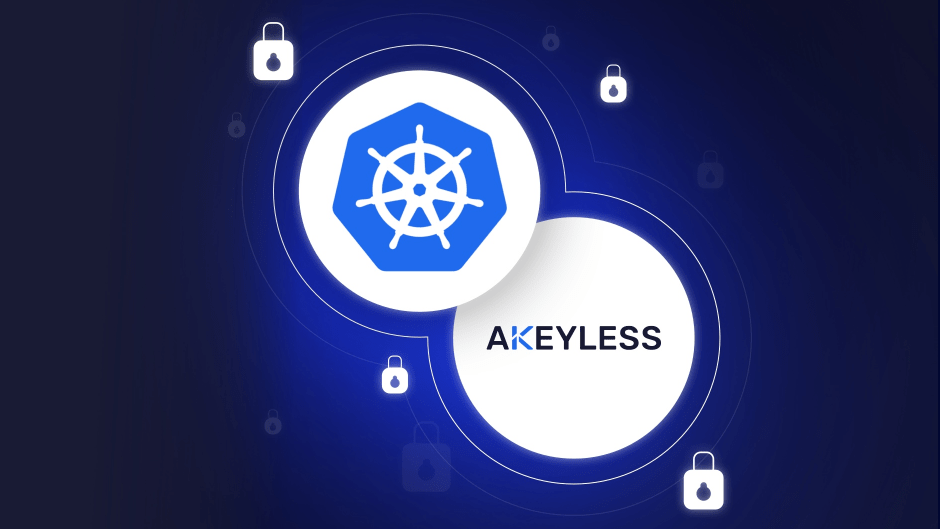
While Kubernetes provides basic secret management, most organizations require additional layers of security and management to protect sensitive data and streamline development. Solutions like the Akeyless Kubernetes plug-in offer enterprise-level security for Kubernetes secrets, enabling centralized management, access control, and integration with broader secrets management platforms. (Source: Security Archives, Akeyless Resources)
What is policy-as-code and how does it help secure cloud deployments?
Policy-as-code is a methodology for managing and automating security policies through code, allowing DevOps teams to validate and enforce security controls programmatically. This approach increases consistency, reduces manual errors, and enables rapid response to security threats in cloud environments. (Source: Security Archives, Akeyless Resources)
How can organizations manage insider threats related to privileged access?
Insider threats are challenging because trusted accounts often require elevated privileges. Effective management involves monitoring for unusual behavior, enforcing least privilege access, and using tools that provide granular access controls and audit trails. Detecting and containing insider threats quickly is critical, as such risks can go undetected for extended periods. (Source: Security Archives, Akeyless Resources)
Why is key ownership and zero trust important for cloud data security?
Key ownership ensures that only authorized parties can access encrypted data, reducing the risk of unauthorized exposure. Zero trust is a security model that assumes no implicit trust, requiring verification for every access request. Together, these principles help protect data in the cloud by minimizing the risk of breaches and ensuring that access is tightly controlled. (Source: Security Archives, Akeyless Resources)